

2026 Australian Dialogue on Business and Human Rights
- DATE 28 October 2026
- VENUE Corrs Chambers Westgarth, Melbourne


About
The UN Global Compact Network Australia (UNGCNA) welcomes you to Australia’s thirteenth annual cross-sector forum dedicated to advancing business respect for human rights.
We are operating in a period of profound transition. The race to secure critical minerals, the scale-up of renewable energy, the physical impacts of climate change and the rapid adoption of AI are reshaping both the business environment and the human rights risk landscape. The pace of change is faster than frameworks, institutions and societies can adapt. At the same time, the modern slavery legal landscape in Australia and other jurisdictions is evolving, with new and forthcoming obligations, enforcement mechanisms and expectations of business.
The 2026 Australian Dialogue on Business and Human Rights will create space for leaders from the business and investment communities, government and other stakeholder groups to work together to make sense of the changing landscape and identify promising pathways forward to safeguard human rights and human dignity throughout this period of transition. Expect frank, constructive and forward-looking discussions that sharpen thinking and action, support meaningful cross-stakeholder engagement and include fresh perspectives.
Across the day, we will unpack:
- The role of business in building resilient, connected societies in an era of transformation
- The use of strategic litigation and investor stewardship to drive stronger accountability
- How to embed respect for people and human rights in transition-related decision-making
- What ‘good’ regulation looks like to drive more effective modern slavery risk management
- How to implement a true ‘risk-based’ approach and strengthen supply chain collaboration
- Immediate priorities to safeguard human rights in the technology transition
The 2026 Australian Dialogue on Business and Human Rights has been made possible with the kind support of Corrs Chambers Westgarth.
This event will be held under Chatham House rule.
Reminder:
- UNGCNA participants are entitled to one complementary ticket per organisation as part of UNGCNA membership. Additional participant tickets are available for purchase at a discounted rate.
- SMEs and non-business participants may be eligible for a discount (list reviewed for eligibility).
Contact us for more information.
Side Event | Human Rights Due Diligence Workshop: What does it take to transform business practices in global supply chains?
 The need to develop more sustainable business models has never been more urgent. But what does good look like? Building better business models isn’t a theoretical aspiration. It’s a way of doing business. This workshop shows you how.
Held on the sidelines of the 2026 Dialogue on Business and Human Rights, this hands-on, practical workshop will support companies to identify the success factors that constitute the building blocks of effective human rights due diligence — and the foundations on which meaningful, lasting outcomes for workers, communities and business can be delivered. During the workshop, we will discuss the core components of business model transformation and examine what it takes to implement at scale. We will also discuss the barriers to transformation implementation and identify opportunities to overcome these.
- To ensure a high-quality, interactive experience, this workshop has limited places and is designed for organisations with complex, global supply chains. Places will be prioritised accordingly.
Register separately for the Human Rights Due Diligence Workshop below.
Speakers
















Program
Wednesday 28 October
Registration
Welcome to Country
Looking ahead to our day together
Speakers:
- Phoebe Wynn-Pope, Head of Responsible Business and ESG, Corrs Chambers Westgarth
- Catie Shavin, Head of Business and Human Rights, UNGCNA
Sharpening accountability for human rights harms
Human rights due diligence (HRDD) is intended to prevent harm and to enable impacts to be addressed promptly when things go wrong. However, affected communities and advocacy organisations are increasingly seeking accountability and remedy through courts and other third-party processes, reflecting frustration that HRDD systems are not (yet) delivering meaningful outcomes for at-risk and affected groups. Investors are also watching closely, alert to the financial and impact materiality of human rights risks.
This session brings together people pursuing strategic litigation to explore why affected groups turn to the courts. We will discuss what outcomes they’re seeking and tensions advocacy organisations navigate along the way. We’ll also examine how litigation and investor stewardship intersect and discuss the complementary role stewardship activities can play in advancing both effective human rights risk management and accountability for harm.
Speakers:
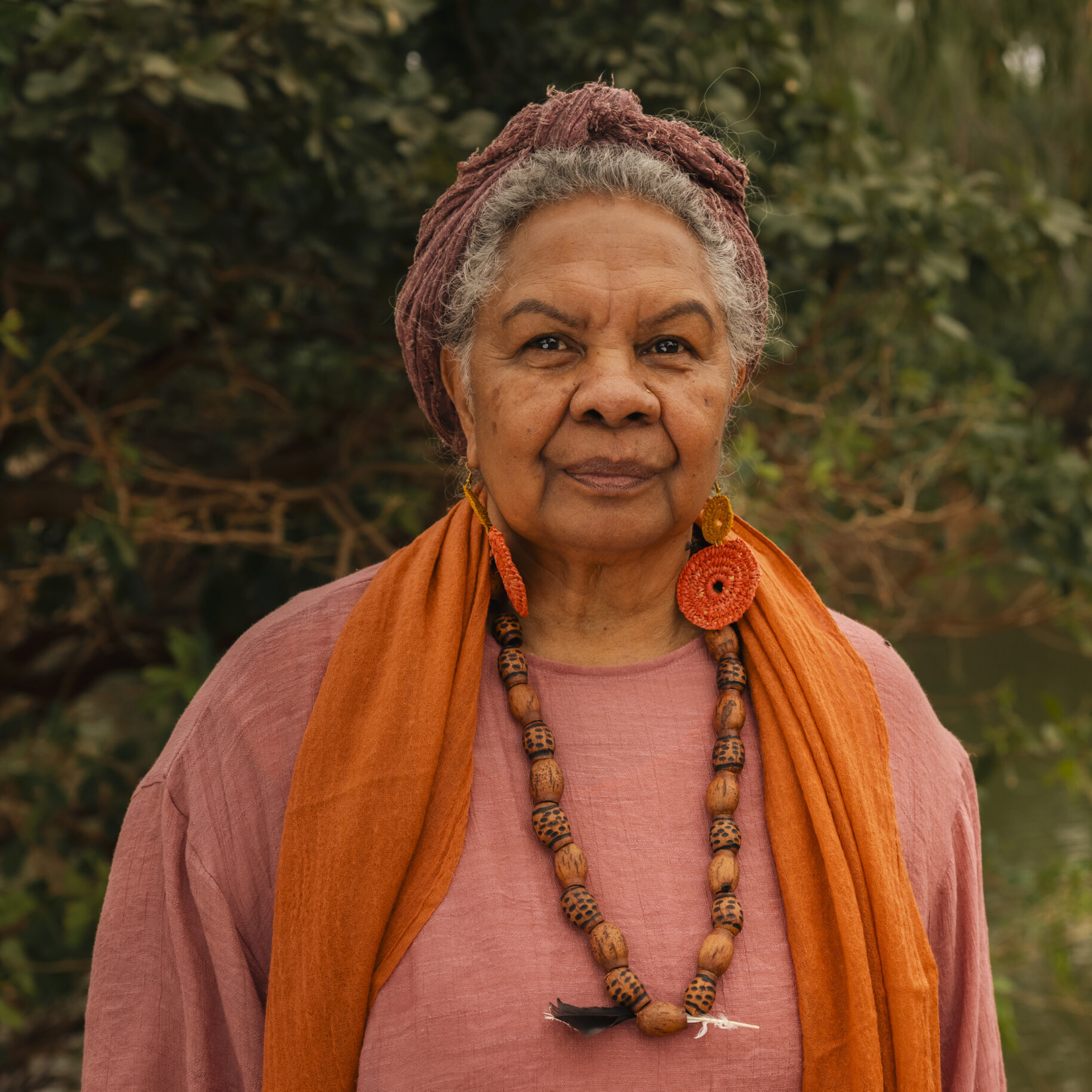
- Prof. Anne Poelina, Chair of the Martuwarra Fitzroy River Council in Western Australia
- Ramila Chanisheff, Australian Uyghur Tangritagh Women’s Association
- Sam Szoke-Burke, Senior Lawyer, Human Rights Law Centre
- Ashley Kopczynski, Director, Sustainable Investment & Stewardship, IFM Investors (Moderator)
Fireside chat: Bringing human rights governance to life at board level
Human rights risk is compounding – across supply chains, transition decisions and new technology – just as regulator scrutiny, legal and commercial risk and pressure from communities and investors intensifies. Getting human rights onto the board agenda has arguably never matter more, or been harder to do.
In this fireside chat, we ask what it actually takes to embed human rights in decision-making at the most senior levels of a business – and why Board-level commitment really matters. We’ll also unpack the practical steps human rights teams can take to get the right information to the right people, at the right time – before risk becomes crisis.
Speakers:
- Fiona Reynolds, Chair, UN Global Compact Network Australia
Morning Tea
Keynote: Stewarding Australia’s climate transition
Climate change and the energy transition have profound implications for communities across Australia and the Torres Strait. This keynote will unpack what the transition means for affected communities, what’s needed to get it right and why the inclusion – and leadership – of Australia’s First Peoples is key to delivering long-term energy security, prosperity and a just transition that leaves no one behind.
Towards a rights-respecting climate transition in Australia
The urgency of the climate crisis demands transition at pace, and this is increasingly reflected in government policy and business action. For example, Australia’s newly reformed environmental laws – including the National Environmental Protection Agency and efficient approvals for renewable energy, critical minerals and other priority projects – are designed to speed up delivery of the low-carbon economy. Critical minerals, renewable energy, nature restoration and efforts to adapt to a warming climate each carry human rights risks. Poorly managed, these can deepen inequalities, harm workers and communities and undermine the trust and social resilience on which the transition depends.
This session asks how business can contribute to a timely and rights-respecting transition; one that proceeds at a pace that accommodates both urgency and trust. We will examine the role of human rights due diligence in delivering a genuinely just transition, and what it takes to make good on that commitment when decisions are shaped by cost pressures, complex business models and competing priorities.
Speakers:
- Damien Schulz, Group Compliance & Privacy Officer, AGL
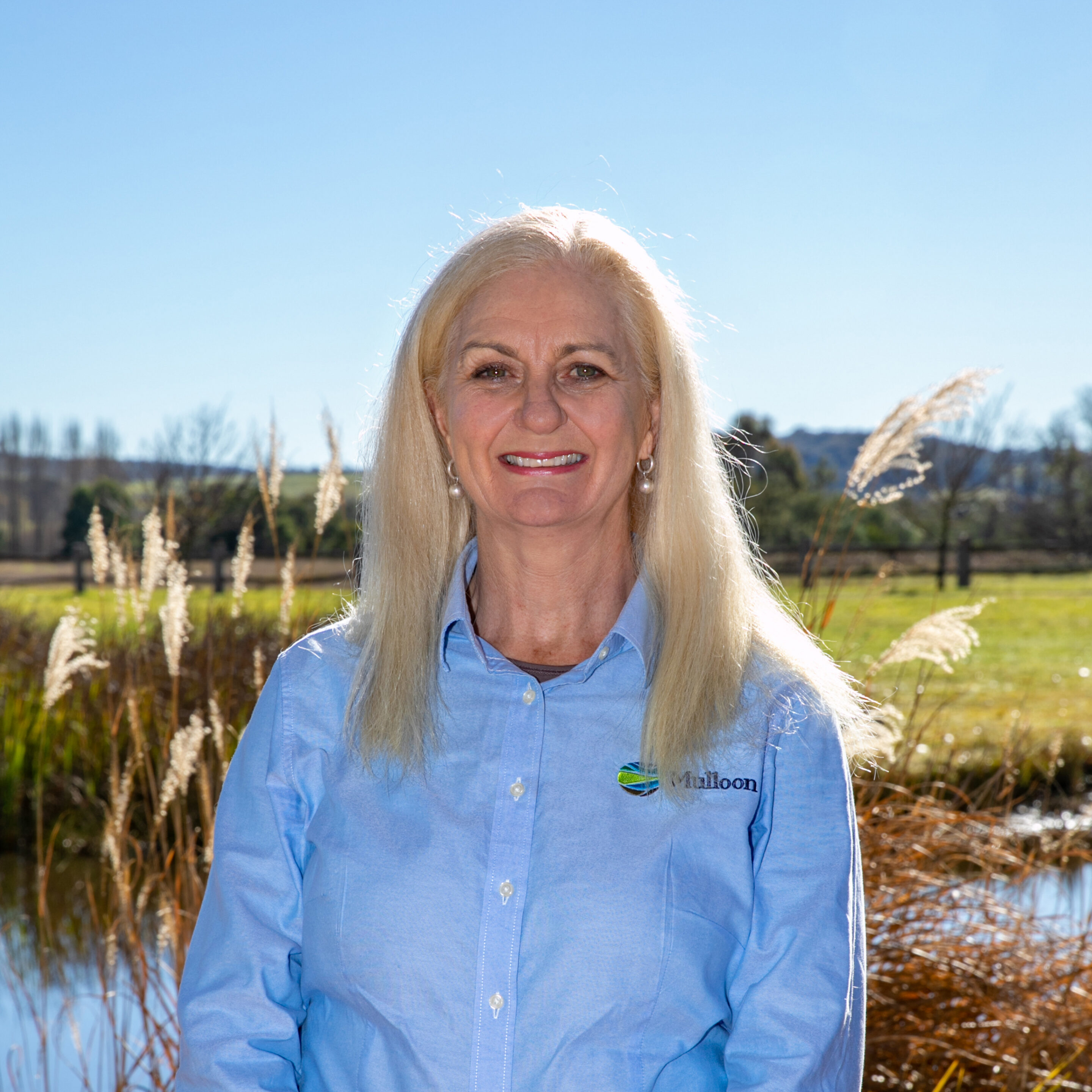
- Carolyn Hall, CEO, Mulloon Institute Australia
- Luke Blackbourn, Principal – Government and First Nations Engagement, Cantilever Future Solutions
- Annabel Hart, Partner, ERM (Moderator)
Spotlight: Insights from the Dhawura Ngilan pilot process
The destruction of Juukan Gorge forced a reckoning on cultural heritage protection in Australia – and raised the question of how to turn principles into practice. The Dhawura Ngilan Business and Investor Initiative, launched in 2021, set out to do exactly that, embedding First Nations-led cultural heritage standards into governance, strategy, operations and due diligence.
With its pilot phase now complete, in this spotlight session we will hear what organisations learned from applying the Dhawura Ngilan Principles to real projects and investment decisions – what worked, what was harder than expected, and what’s needed to ensure protection of First Nations’ cultural heritage is integrated in business and investor practices.
Spotlight: Integrating human rights into transition planning
The connections between climate, nature and human rights are well-recognised. However, these links are not yet widely reflected in companies’ transition planning and reporting.
During this spotlight session, we will look at how organisations can integrate human rights into climate risk assessment and transition planning in ways that complement and leverage Australia’s new ASRS S2 reporting requirements, giving teams practical tools to streamline due diligence and ensure the human cost of physical climate risk isn’t overlooked.
Lunch
Keynote: Strengthening Australia’s response to modern slavery
On 16 July 2026, the Australian Government announced its commitment to strengthen Australia’s modern slavery laws and equip companies to better identify and address risks in their global supply chains, and a consultation on the proposed new measures concluded on 25 September 2026.
This keynote address will consider the modern slavery risk landscape for Australian businesses, current priorities in the movement to end slavery and what’s needed now to move the dial and achieve better outcomes for affected and at-risk workers.
Speakers:
- Chris Evans, Australian Anti-Slavery Commissioner
Getting Australia’s response to modern slavery right
The Australian Government’s commitment to strengthening Australia’s modern slavery laws raises the questions: how do we get it right and what more is needed?
Throughout consultations on modern slavery law reform, business, investors and civil society have converged on common ground: that any new measures should support a risk-based, proportionate approach to due diligence, align with key international standards and interoperate with human rights and modern slavery regulation overseas, without overburdening smaller suppliers.
During this session, we will bring together voices across the stakeholder spectrum to pressure-test – and look beyond – the proposed measures. We will ask how we can ensure Australia’s modern slavery laws are practicable, effective and fair to businesses of every size, and what complementary measures are needed.
Speakers:
- Laura McManus, Director, Office of the Australian Anti-Slavery Commissioner
- Kate Gill-Herdman, Partner, Corrs Chambers Westgarth
- Tamara Somers, GM, Sustainability and Impact, Xero
- Vanessa Zimmerman, CEO, Pillar Two (Moderator)
A special address: Unlocking collaboration to address modern slavery
Competitors don’t typically work together, but when it comes to modern slavery, collaboration can be the difference between ineffective or symbolic action and real outcomes for at-risk workers. Late last year, the Australian Competition & Consumer Commission (ACCC) updated its guidance to clarity that certain sustainability collaboration, including on modern slavery, can likely proceed without breaching Australian competition law.
In this special address, Gina Cass-Gottlieb, Chair of the ACCC, will reflect on how competition law applies to modern slavery-related collaborations, what ‘good’ looks like in practice, and why working together can be key to delivering meaningful outcomes for affected workers.
Speaker:
- Gina Cass-Gottlieb, Chair, ACCC
Afternoon Tea
Safeguarding human rights and dignity in the technology transition
Australia has decided, for now not to legislate mandatory AI guardrails, leaning instead on existing laws and regulators to keep pace with rapid adoption. Whether that’s enough is an open question: recent research warns Australian workplaces risk repeating the mistakes made with social media, with AI already reshaping surveillance, workload and job security for workers.
During this session, we will unpack how AI and other new technologies are changing the human rights risk landscape – for better and worse. We will ask what business needs to do now to safeguard human rights and dignity through the technology transition, from psychosocial safety to accountability for AI-driven decisions.
Speakers:
- Shehan Peiris, Partner – People Risk, Howden Insurance Brokers Australia and Chief Mental Health Officer, National Psychosocial Safety Network
- Sophie Farthing, Head of the Responsible Technology Program, UTS Human Technology Institute
- Topaz McAuliffe, CEO, 15 Times Better
- Phoebe Wynn-Pope, Head of Responsible Business and ESG, Corrs Chambers Westgarth (Moderator)
Keynote: Social cohesion and resilience as a foundation for transition
Transformation at the scale discussed today doesn’t happen inside a vacuum – it happens in a society that is, by many measures, growing more divided and polarised. Social cohesion isn’t a nice-to-have alongside the transition; increasingly, it is becoming clear that it will be an essential foundation to ensure that timely transition can be achieved, and sustained.
As we embark on transformation of the global economy, social cohesion and resilience will be key to navigating this era of transition amidst the increasingly prevalent impacts of climate change. And yet we see growing divisions within our society and increasing polarisation.
During this closing keynote, President of the Australian Human Rights Commission, Hugh de Kretser, will discuss what social cohesion is, what it isn’t and the role business can play to strengthen our social fabric. He will also address how respect for human rights can build a foundation for a just and sustained transition.
Speaker:
- Hugh de Kretser, President, Australian Human Rights Commission
Closing reflections: Elevating respect for human rights in an era of transition
Event Partners
Event Partner
Silver Partner

Bronze Partner